Portfolio

Architecture

Architecture explores how buildings become legible through viewpoint, light and framing. I am interested in rooms, façades and details as much as the transitions between a building and the city — not as a complete record, but as a concentrated observation of form and use.

Architecture Series
Black-and-white architectural photograph of urban lines, grids and façades — image 1 of 6
About this category

When order becomes visible

Architecture is never only a collection of straight lines. A building changes with the time of day, the distance and the direction from which it is seen. Up close, material becomes important; from farther away, proportion, repetition and the relationship to the surroundings become more apparent. The photograph becomes most interesting where those readings meet.

I use lines and surfaces without removing every irregularity from the frame. Traces of use, reflections, plants or people reveal scale and time. They can interrupt a strict order and, by doing so, make it easier to understand.

An architectural series does not need to explain a building exhaustively. It can choose its emphasis: the rhythm of a façade, movement through an interior, changes between light and shadow, or the way a building meets the street. What matters is that the selection expresses a clear way of looking at the place.
Series

Urban Geometry

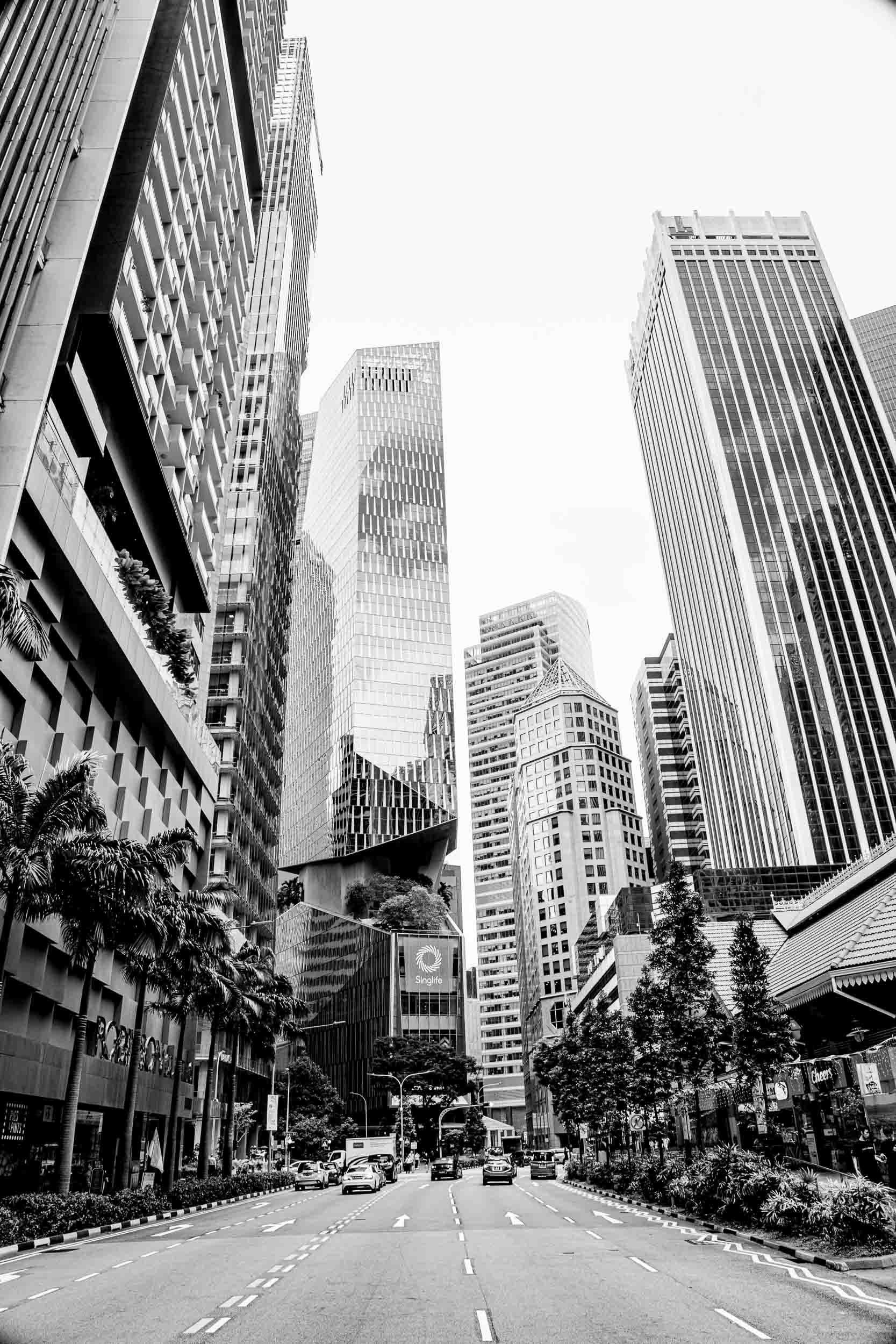
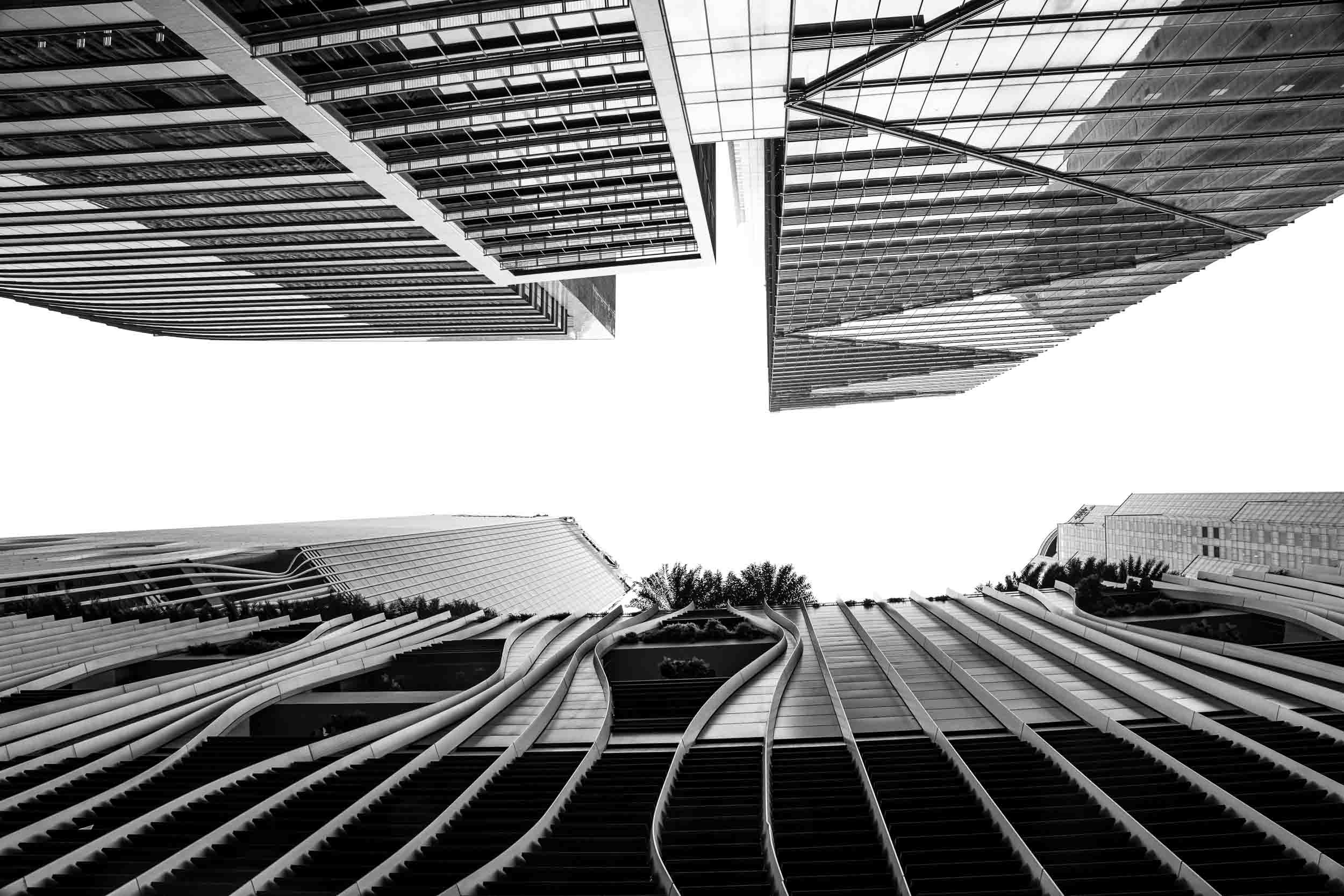
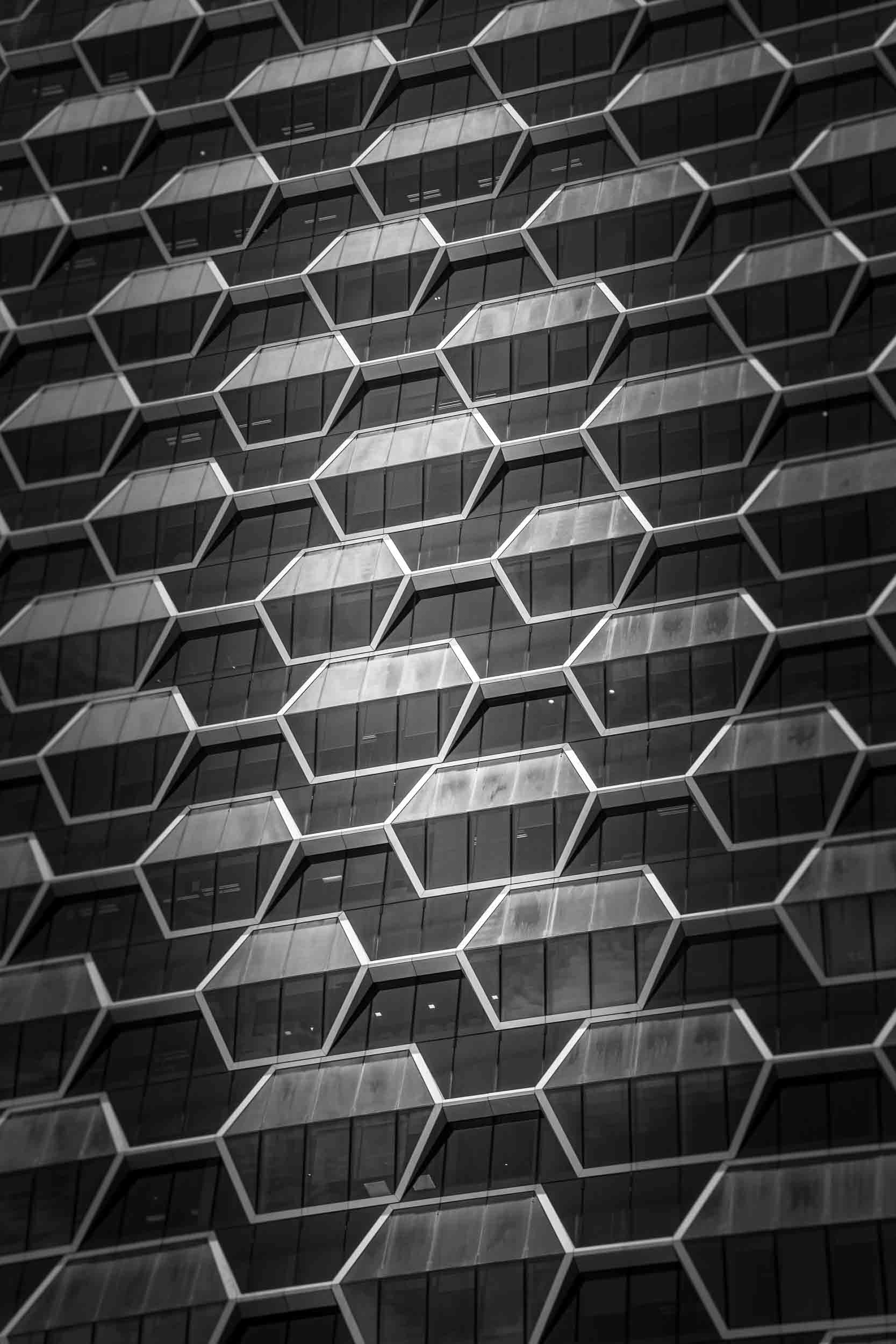
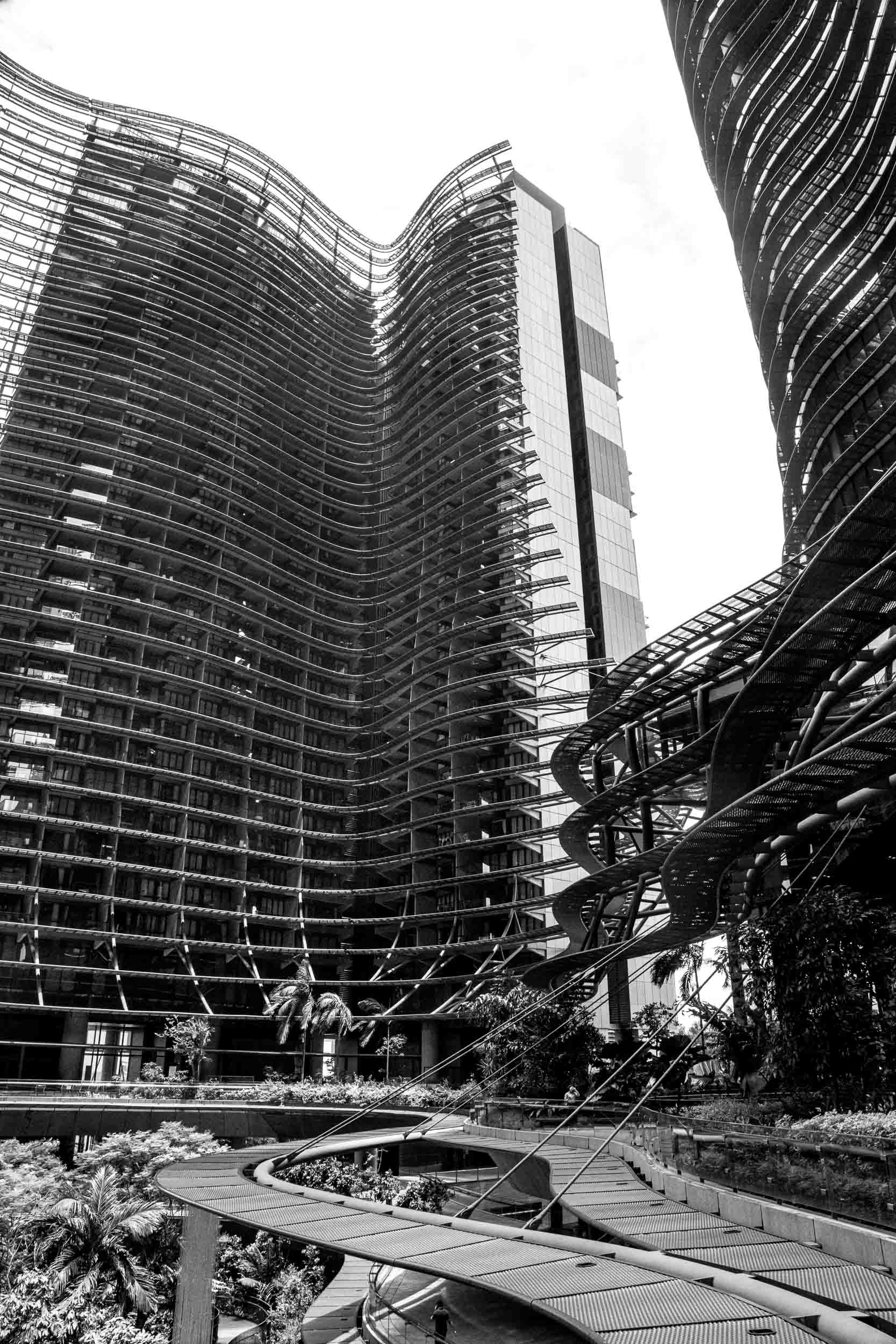
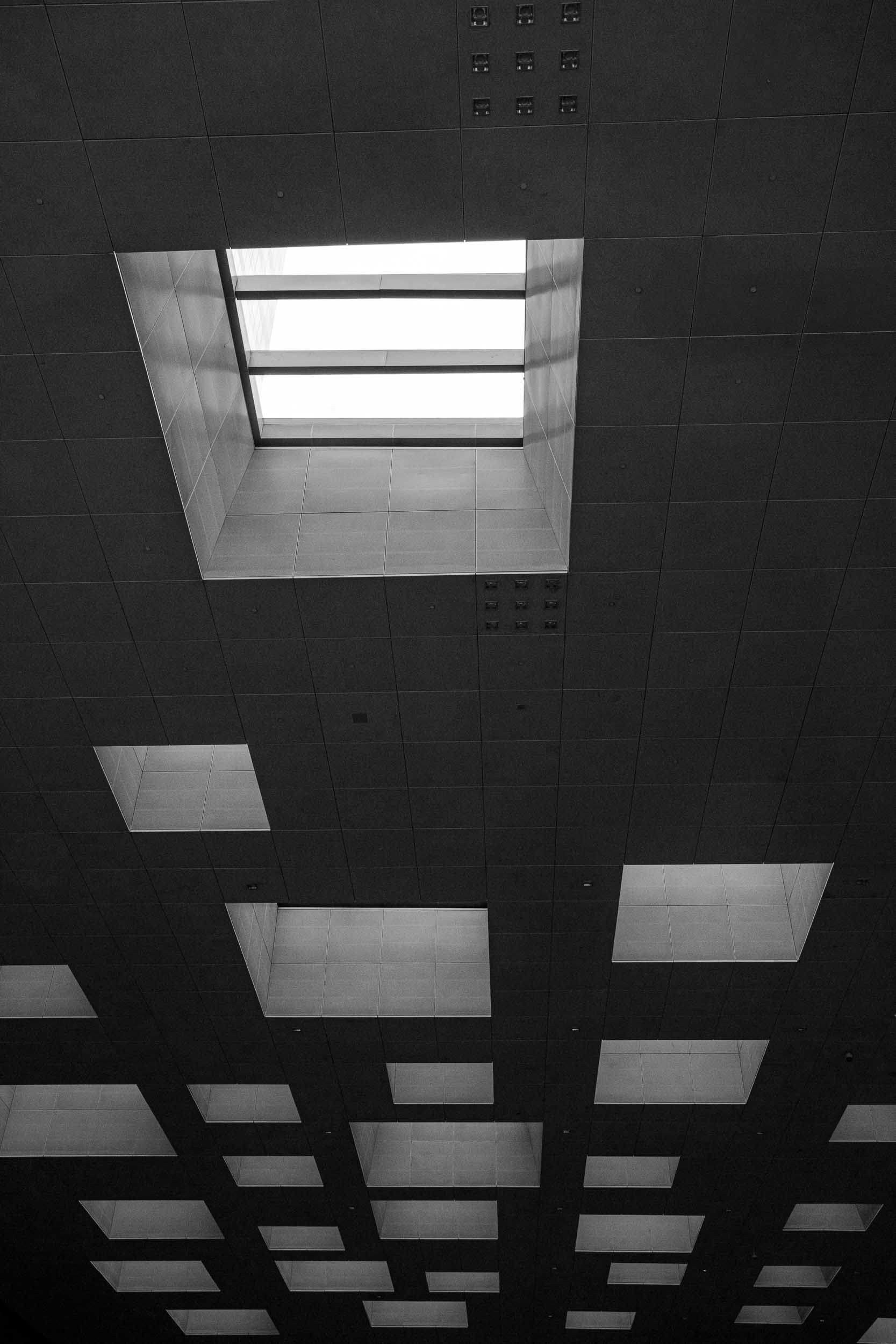
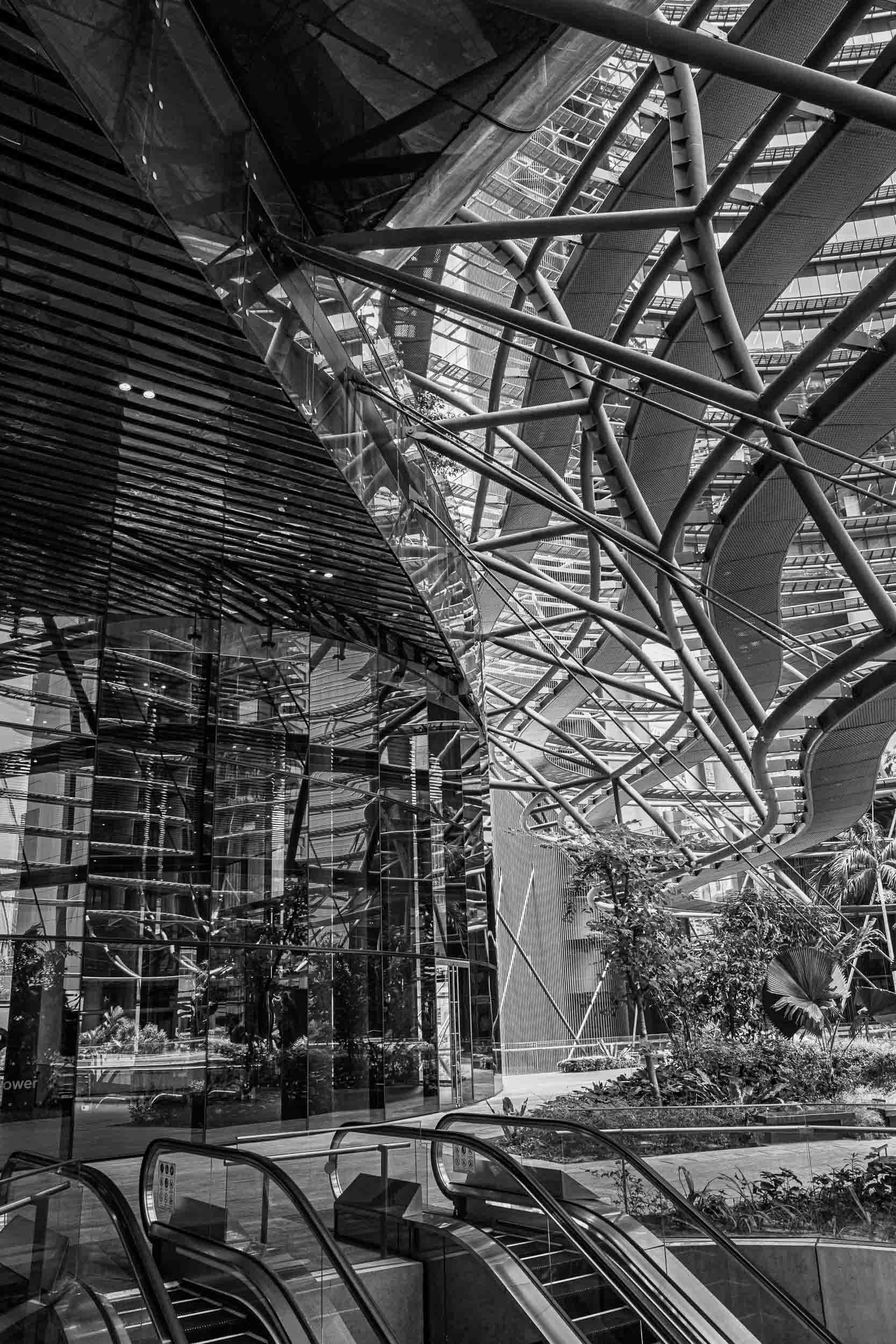
Black-and-white architectural photography that translates towers, ceilings and façades into lines, grids and repeating forms. The city is not documented as a whole; it is read as a visual order.

Open the series page
Black-and-white architectural photograph of urban lines, grids and façades — image 1 of 6
Black-and-white architectural photograph of urban lines, grids and façades — image 2 of 6
Black-and-white architectural photograph of urban lines, grids and façades — image 3 of 6
Black-and-white architectural photograph of urban lines, grids and façades — image 4 of 6
Black-and-white architectural photograph of urban lines, grids and façades — image 5 of 6
Black-and-white architectural photograph of urban lines, grids and façades — image 6 of 6
About the series

The city becomes a pattern

Urban Geometry begins with scale and ends in structure. Towers pull the eye upwards, streets create distance, and supporting constructions cut strong diagonals through the frame. Other photographs move so close to ceilings or façades that their original scale becomes difficult to judge.

Removing colour directs attention towards brightness, rhythm and repetition. Windows become grids, steel beams become lines, and hexagonal façade elements turn into an almost abstract pattern. Black and white unifies the different locations without making their materials identical: glass remains light, concrete remains solid and metal retains its precision.

The series offers two ways of looking at architecture. From a distance, it speaks about height, density and the relationships between buildings. In a close crop, it becomes a study of order and variation. The eye tends to stay longest where a line breaks or a repeated form changes slightly.

Contact

An idea for a portrait or a shared series?

If you would like to discuss a portrait shoot, a TFP idea or an independent creative project, send me a few lines. It helps to mention the idea, the kind of location you have in mind and which photographs in this portfolio speak to you. I also share new work and developing series on Instagram.