Presence through connection
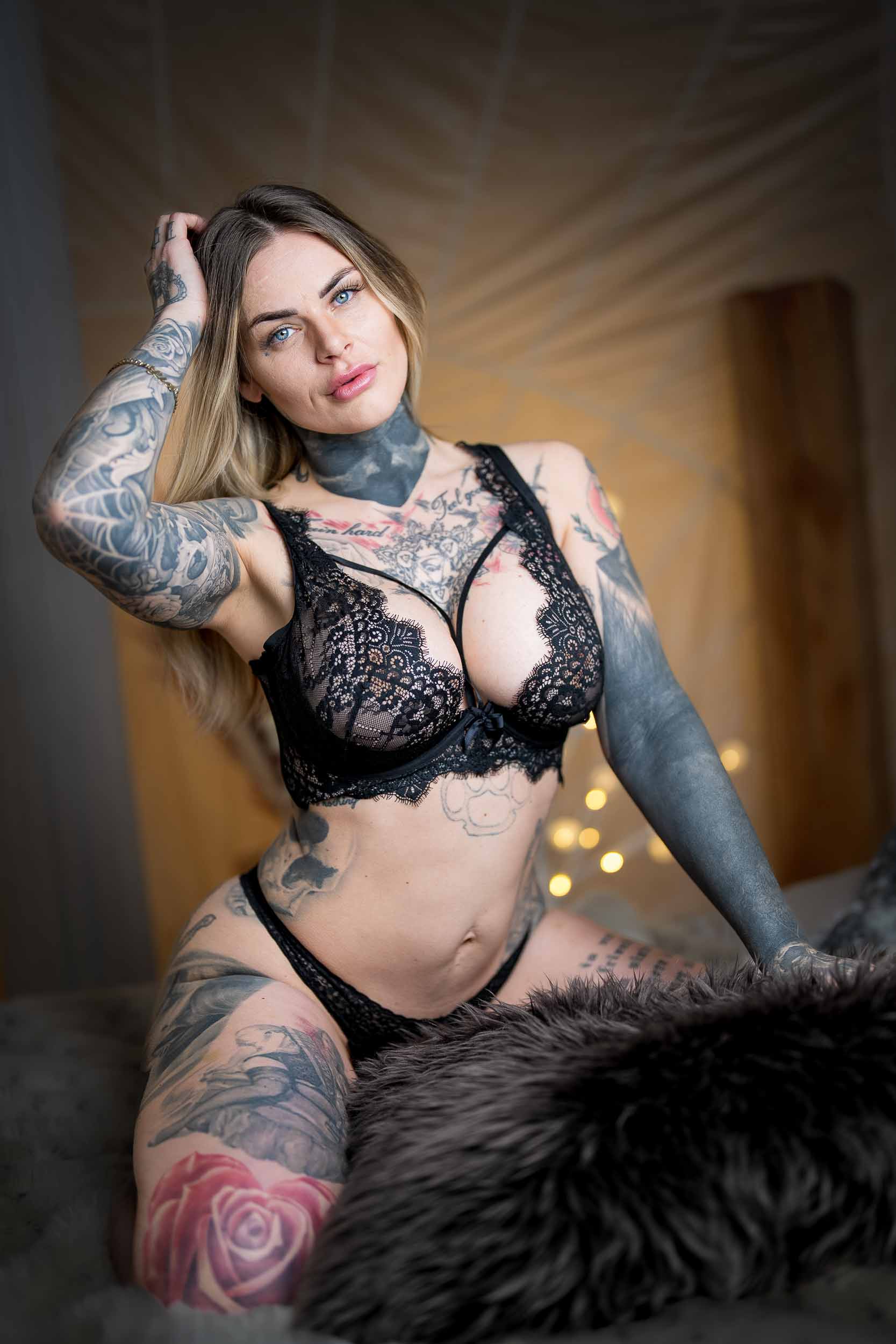
A portrait shows more than what someone looks like. Distance, direction of gaze, body language and the timing of the exposure all determine whether an image feels open, quiet, direct or reserved. That quality develops in the exchange between the person and me; technique provides a framework, but it cannot replace attention.
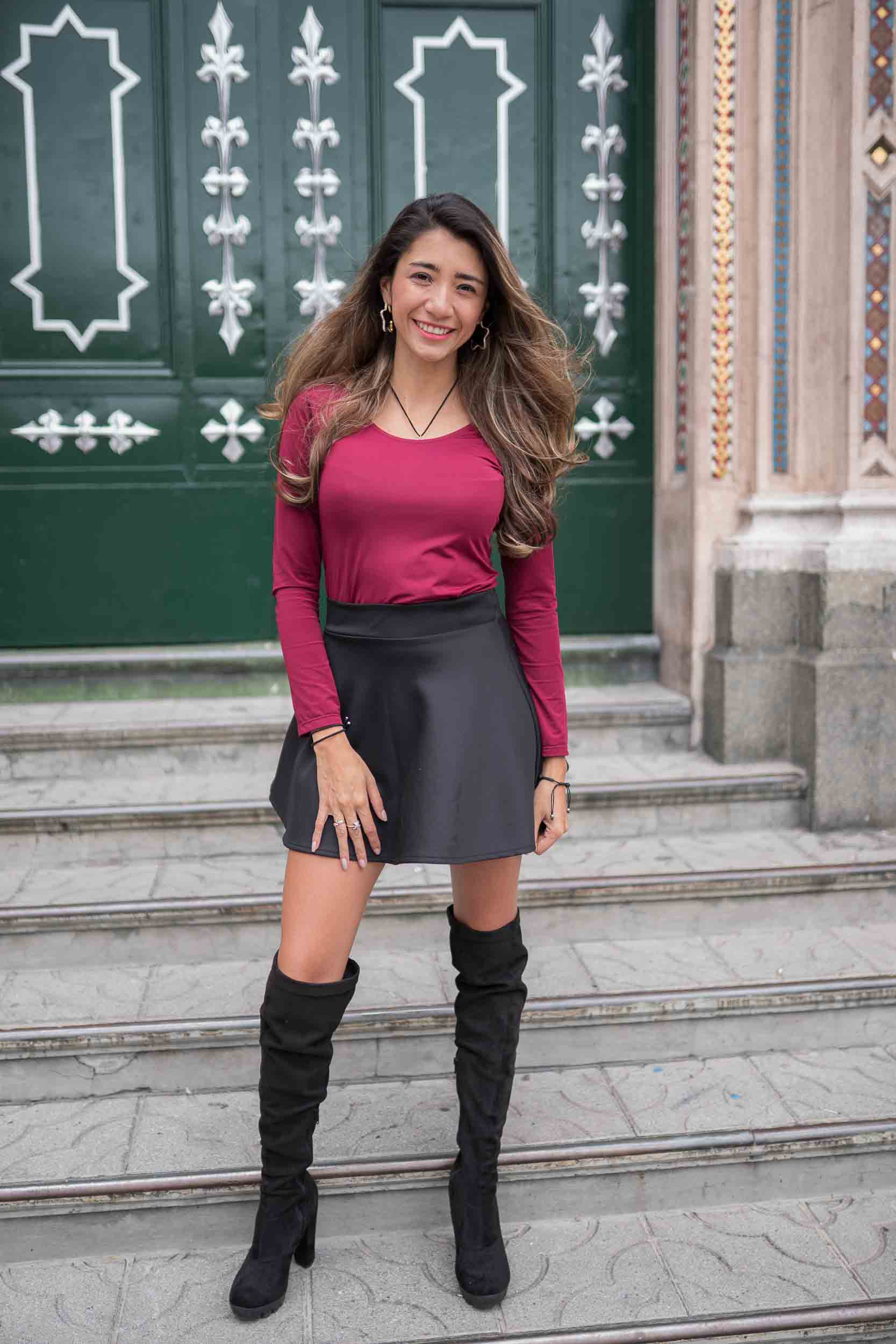
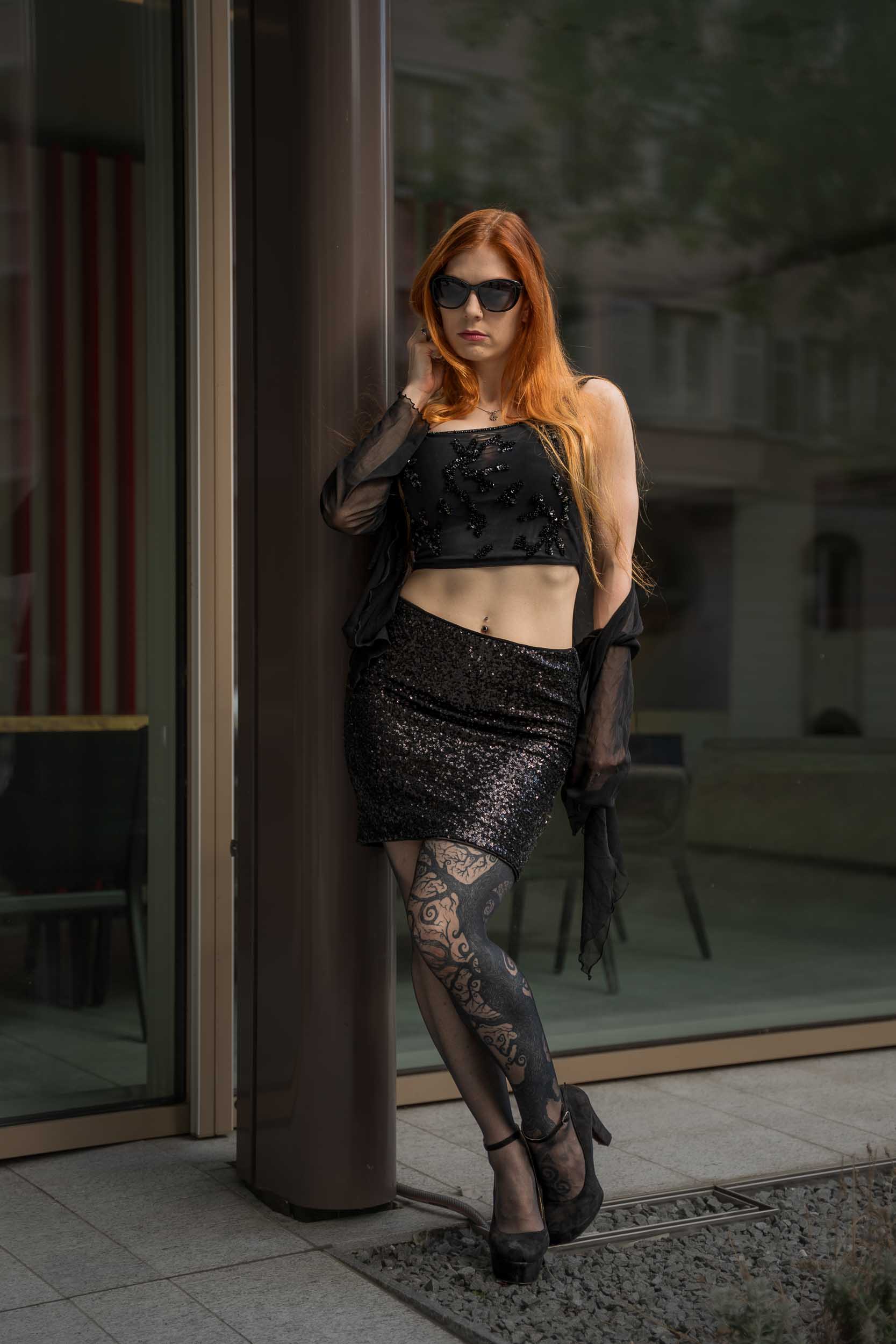
That is why the visual language may change with the situation. In the studio, light and background can be shaped with precision; outdoors, space, weather and movement enter the frame; while travelling, a recognisable location gives the portrait additional context. These approaches belong together as long as the person does not become an illustration of an idea, but remains the centre of the image.
I prefer small, understandable prompts to fixed poses. A shift of the shoulders, a step, a pause or a glance beyond the frame can be enough. A portrait succeeds for me when the choices behind it can be felt without becoming more important than the person.